The Founder Trap
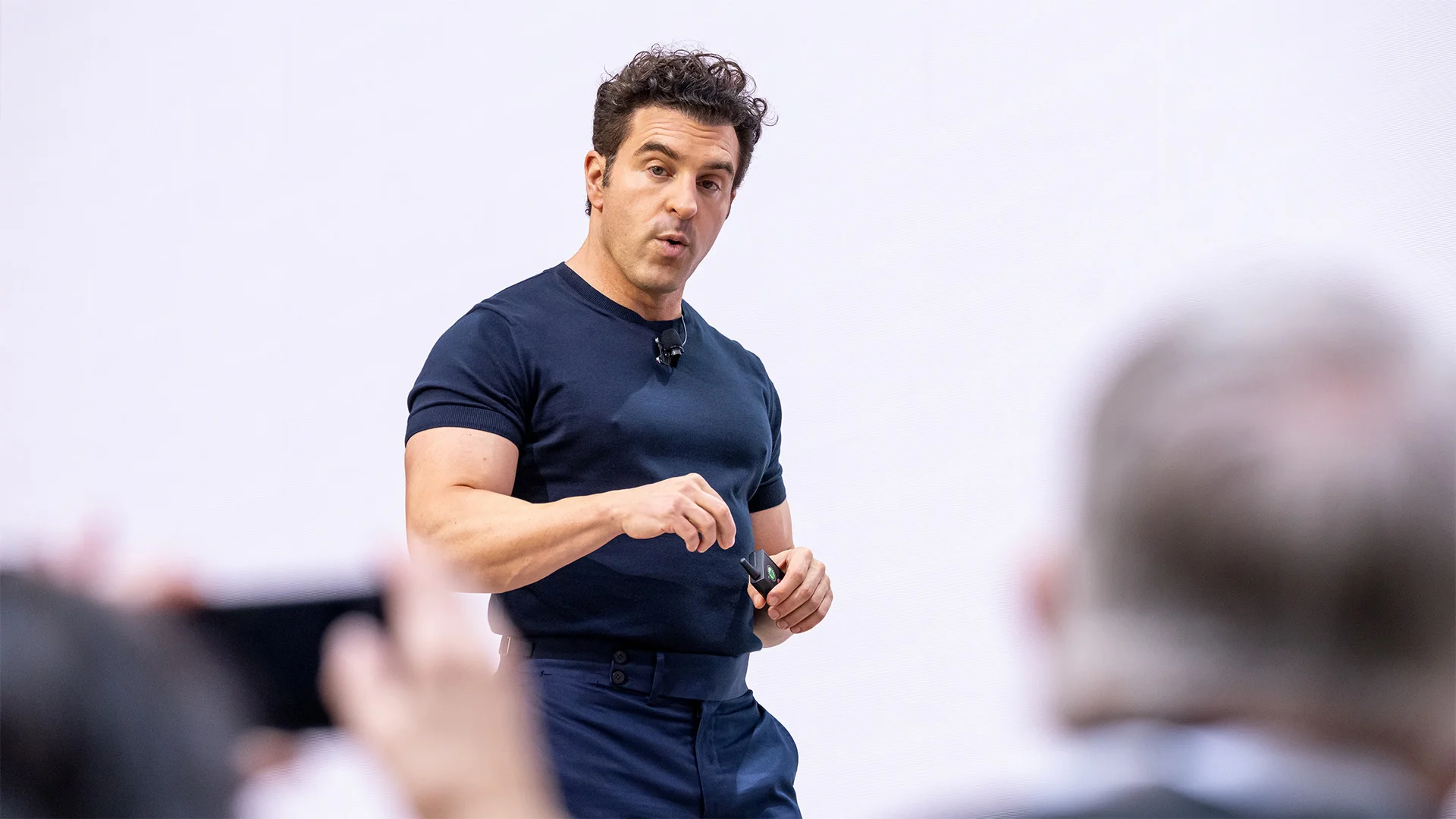
Brian Chesky recently admitted a critical flaw in his leadership style. He stated he was "naturally a great founder" but "naturally a terrible CEO." This distinction highlights a common pitfall for entrepreneurs who struggle to transition from creative visionary to disciplined executive.
Chesky’s confession centers on his need for approval. As a founder, charisma and vision drive early growth. As a CEO, the role demands objective decision-making, often requiring unpopular choices that alienate stakeholders or employees.
Approval vs. Authority
Seeking universal likability undermines executive authority. When leaders prioritize being liked over being effective, they avoid necessary conflicts. This hesitation can stall strategic pivots, delay difficult personnel decisions, and obscure critical business realities.
- Founders often confuse team harmony with operational efficiency.
- CEO decisions require data-driven rigor, not social consensus.
- Avoiding conflict creates cultural blind spots that hinder scaling.
Scaling Requires Toughness
Airbnb’s evolution from a small startup to a global enterprise required Chesky to shed his need for constant validation. The company faced intense regulatory scrutiny and market shifts. Leaders who cannot detach their ego from outcomes struggle to navigate these complexities.
Effective CEOs understand that respect is more valuable than popularity. They build systems where accountability replaces approval-seeking. This shift allows organizations to execute strategy without the drag of interpersonal politics.
Lessons for Modern Founders
For current founders, Chesky’s admission serves as a cautionary tale. Scaling a business means accepting that you will not always be the favorite. It requires embracing the discomfort of decisive action.
Business leaders must audit their own motivations. Are decisions driven by long-term value or short-term acceptance? Recognizing this difference is the first step toward becoming a stronger CEO.