Shelves Are Emptying in New England
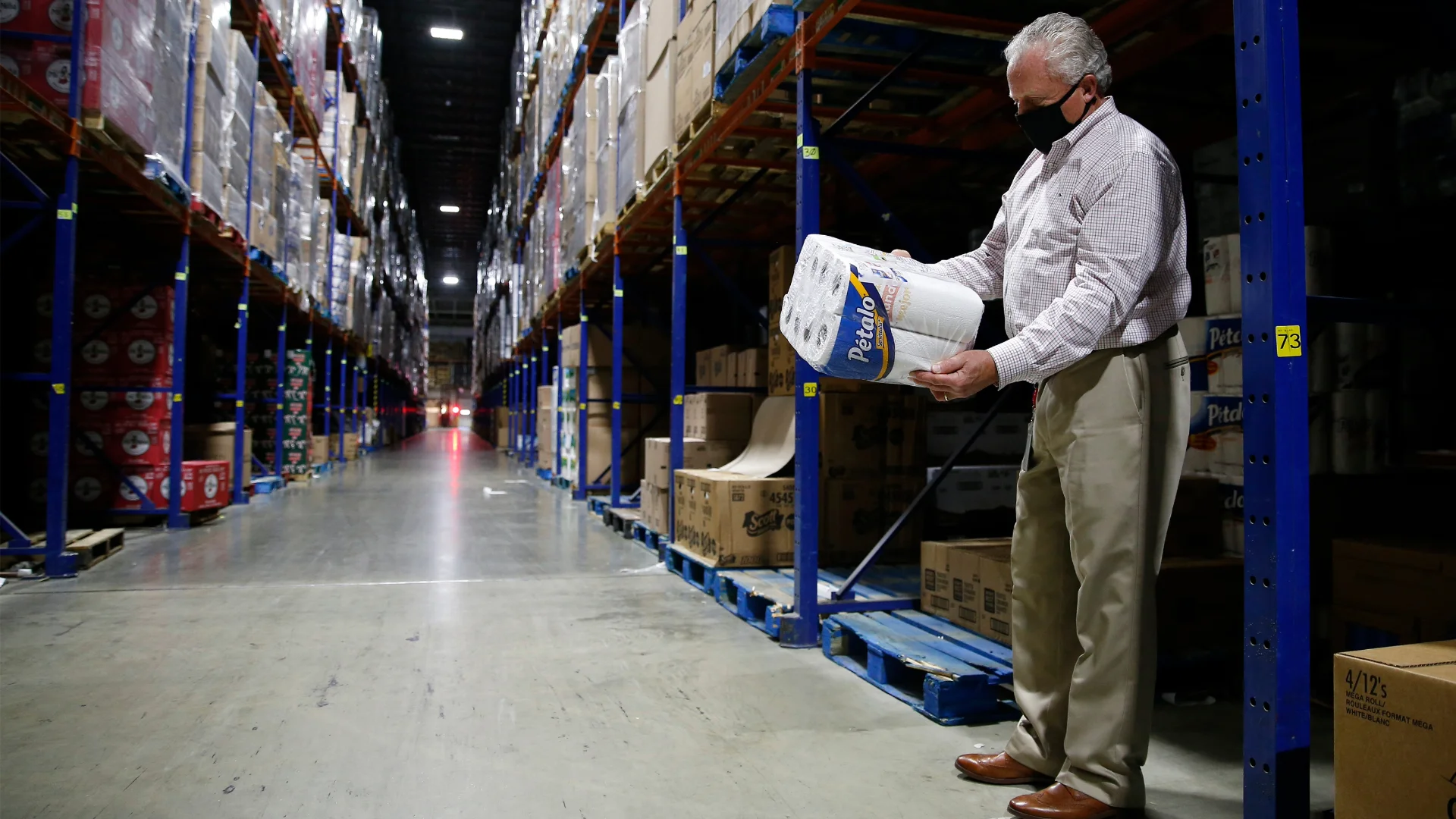
A coordinated strike by hundreds of warehouse workers has paralyzed distribution networks across New England. Independent grocers are now warning customers that bare shelves and product shortages are imminent. The disruption began this week, creating an immediate crisis for small business owners who rely on just-in-time inventory models.
The Core Dispute Over One Benefit
While headlines focus on empty aisles, the root cause is a specific negotiation breakdown over a single employee benefit. Union representatives argue this benefit is essential for workforce stability, while management contends it sets an unsustainable precedent. This narrow focal point has escalated into a broader operational halt.
Impact on Small Business Operations
For independent retailers, the grocery strike is not just a news story; it is a direct threat to revenue. Without consistent supply from major warehouses, these businesses face stockouts that drive customers to larger competitors with deeper reserves. Cash flow becomes precarious when products simply cannot be moved to store floors.
Key Operational Challenges
- Inability to restock high-demand items
- Increased customer complaints and churn
- Higher costs for emergency alternative sourcing
- Logistical bottlenecks at regional hubs
Why Founders Must Pay Attention
This event highlights the fragility of supply chains dependent on single points of failure. Leaders must audit their vendor dependencies and stress-test contingency plans. A labor dispute in one region can ripple through national networks, proving that resilience requires diversification and robust communication channels during crises.