Consolidating the Convenience Empire
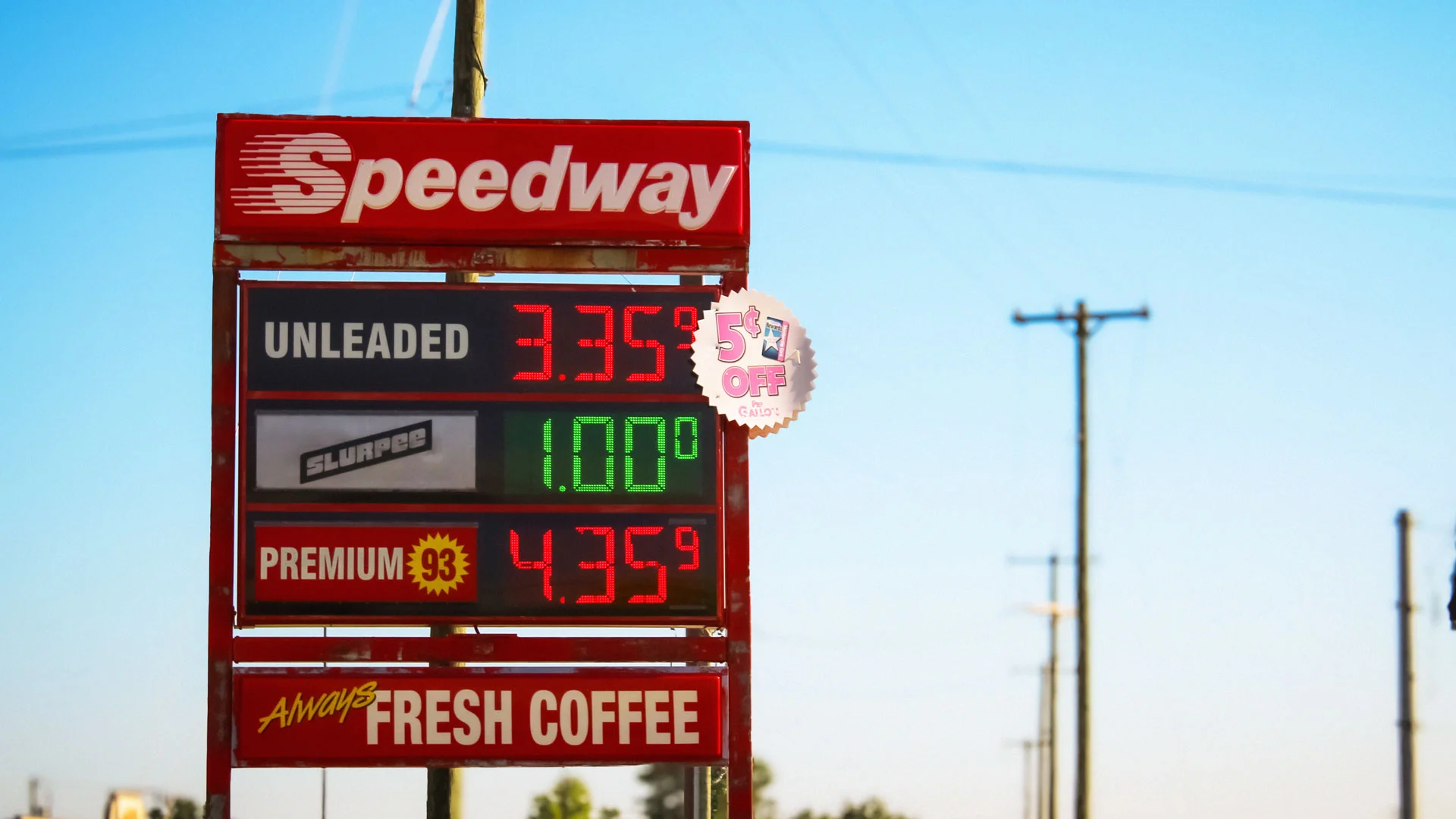
Five years after acquiring Speedway for $21 billion, 7-Eleven has begun closing a specific list of locations. This move marks a significant pivot from aggressive expansion to operational refinement. The company is now prioritizing high-performing assets over broad geographic coverage.
Why These Closures Matter for Retail Leaders
For business leaders, this consolidation highlights the post-merger integration challenges common in large-scale acquisitions. It demonstrates that even massive deals require ruthless portfolio management to ensure long-term viability and margin improvement.
The Shift in Convenience Store Strategy
The decision to close these sites reflects a broader trend in the convenience sector. Operators are moving away from low-density or underperforming fuel stops toward optimized hubs that drive higher foot traffic and ancillary revenue streams beyond just gasoline.
Impact on Local Markets and Stakeholders
- Employees at affected locations face transition or displacement.
- Local communities may lose convenient access to fuel and quick-service food.
- Competitors may see an opportunity to capture displaced market share.
What Comes Next for 7-Eleven
This restructuring suggests future investments will focus on technology upgrades and store renovations at remaining locations. Expect a tighter, more efficient network designed to maximize customer lifetime value rather than sheer unit count.