The Beef Cost Squeeze on Texas BBQ
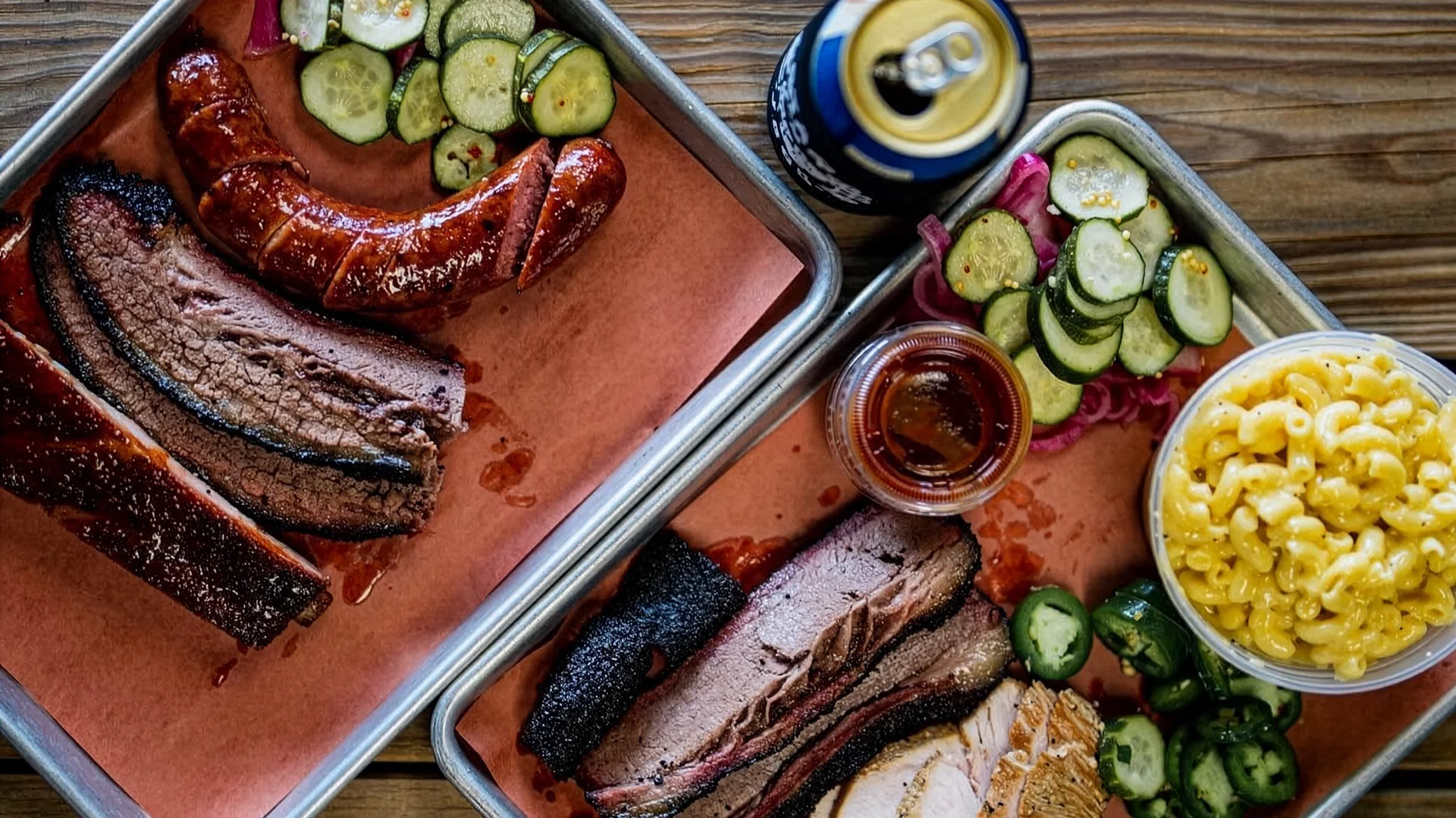
Beef prices have surged, placing unprecedented pressure on Texas barbecue restaurants. These establishments, often built around low-margin, high-volume brisket sales, are seeing their profit pools evaporate. For founders in the food service sector, this is not just a local issue; it is a stark reminder of how commodity volatility can destabilize even the most beloved business models.
Rethinking the Iconic Menu
Restaurant owners are now forced to rethink menus that have relied on one iconic dish for decades. The traditional approach of offering abundant, affordable beef is no longer financially viable. Owners must decide whether to raise prices, risk customer backlash, or substitute ingredients, potentially diluting the brand identity that attracted patrons in the first place.
The Risk of Customer Alienation
Substituting beef with alternative proteins carries significant reputational risk. Customers visit Texas BBQ spots for specific flavors and textures associated with beef. If alternatives fail to deliver, they drive customers away. This creates a delicate tightrope walk for operators who must maintain culinary integrity while managing rising operational costs.
Impact on Small Business Margins
For small and mid-sized businesses, the margin for error is nonexistent. Rising beef costs squeeze margins, forcing rapid strategic pivots. Founders must analyze supply chain resilience and pricing power. The lesson here is clear: reliance on a single, volatile commodity can jeopardize long-term sustainability.
Strategic Adaptations for Survival
Successful operators are diversifying revenue streams and optimizing portion sizes. Some are introducing premium-priced cuts to offset volume losses, while others are exploring plant-based options that appeal to evolving consumer preferences. This shift requires agile management and a deep understanding of local market dynamics.