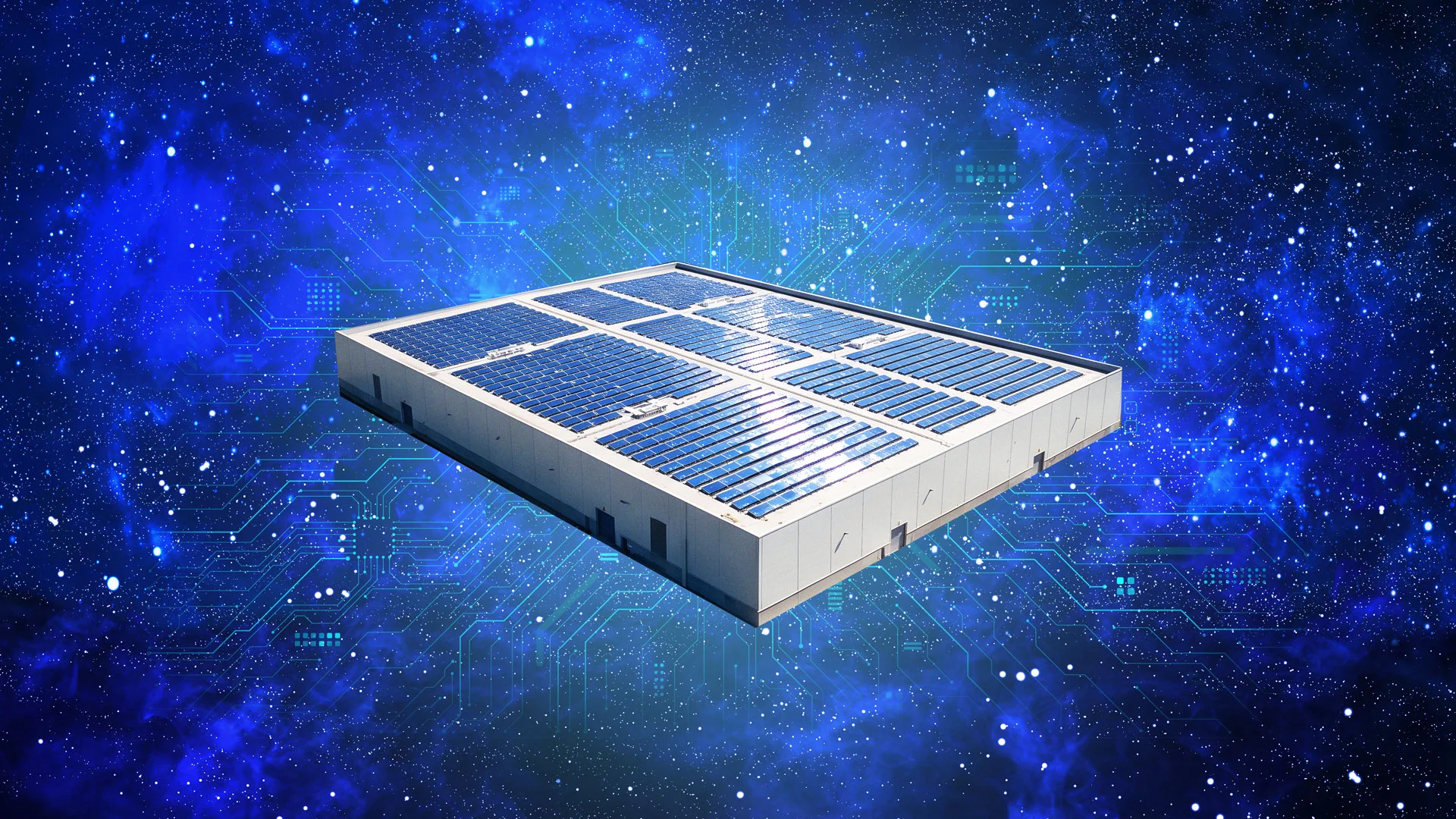
Orbital Infrastructure Takes Shape
Google is preparing to launch Project Suncatcher, a prototype mission scheduled for blast-off next week. This initiative marks the beginning of a new operational model where data centers are no longer confined to terrestrial facilities but extend into low Earth orbit.
The payload consists of a modest AI satellite designed to test the viability of space-based computing. While the current iteration is small, it serves as a critical proof-of-concept for larger, more complex systems that could follow.
Redefining Data Center Economics
For founders and technology leaders, this move highlights a potential solution to the escalating constraints of terrestrial energy and cooling. Space offers abundant solar power and natural vacuum cooling, addressing two of the biggest bottlenecks in scaling AI infrastructure today.
- Reduced reliance on grid electricity for heavy compute loads.
- Lower thermal management costs due to the vacuum of space.
- Decentralized data processing capabilities closer to global users via satellite networks.
A Blueprint for Competitors
While Google leads with this prototype, the industry landscape suggests many more companies will adopt similar strategies. The success or failure of this initial mission will likely dictate the pace at which other tech giants enter the space data center market.
This is not just about satellite technology; it is about reimagining the supply chain for digital infrastructure. Companies that fail to monitor these developments risk missing the next wave of capital allocation toward off-world assets.
Strategic Implications for Business Leaders
The emergence of space-based data centers introduces new regulatory, security, and logistical challenges. Business leaders must consider how orbital latency, international space law, and supply chain resilience impact their long-term IT strategies.
Investors and entrepreneurs should view Project Suncatcher as an early indicator of where venture capital and corporate R&D will flow in the coming decade. The intersection of aerospace engineering and cloud computing is becoming a primary frontier for innovation.