New Balance Defies Industry Headwinds
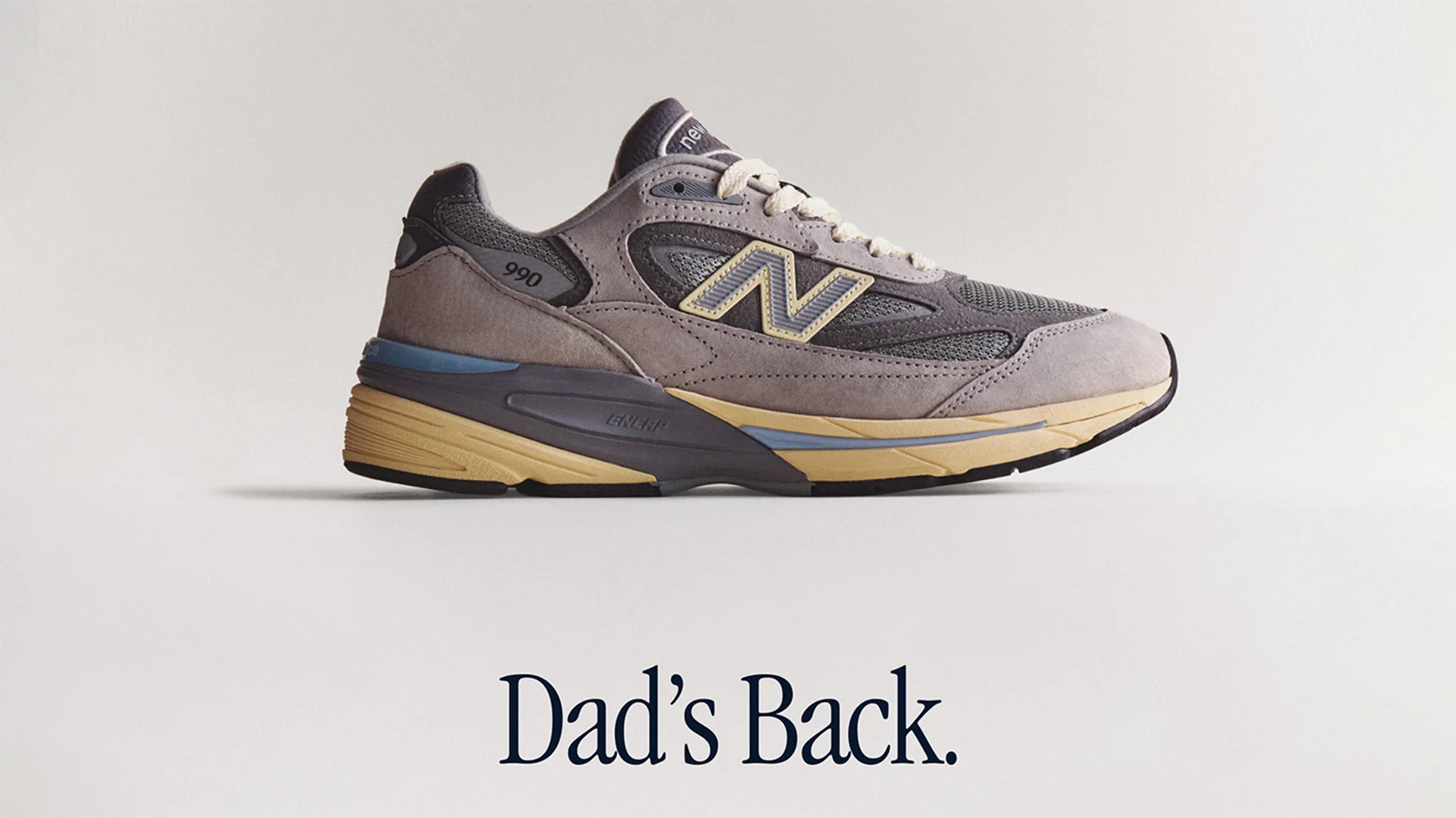
New Balance recently executed a high-stakes product launch that underscored its rising dominance in the footwear sector. The company released a new pair of dad shoes priced at $200, triggering an immediate surge in demand. Nearly 30,000 consumers joined a virtual waiting line, signaling intense brand loyalty and effective digital engagement strategies.
This event is not merely a sales spike; it reflects a broader structural shift in the athletic apparel market. While New Balance reported 19 percent growth last year, industry leader Nike experienced a notable loss in market share. This divergence highlights how mid-sized brands can outpace giants by aligning closely with current lifestyle trends rather than relying solely on heritage performance metrics.
The Economics of Viral Drops
The success of this limited-edition release demonstrates the power of scarcity and community building. By managing supply through virtual queues, New Balance created artificial urgency without alienating customers through chaotic physical lines. For founders and business leaders, this illustrates a critical lesson: modern retail success depends on seamless digital experiences that convert interest into immediate action.
Furthermore, the $200 price point positions these sneakers firmly in the premium casual segment. Consumers are increasingly willing to pay more for comfort and aesthetic appeal over pure athletic utility. This willingness to spend on lifestyle footwear provides higher margins and strengthens brand equity, allowing New Balance to invest further in innovation and marketing.
Nike’s Strategic Challenges
In contrast, Nike’s recent struggles highlight the risks of stagnation for legacy brands. Losing market share suggests that consumer preferences are evolving faster than Nike’s ability to adapt. The rise of competitors like New Balance indicates that authenticity and niche targeting can disrupt established hierarchies. Brands must remain agile, listening to subtle shifts in consumer behavior before losing ground permanently.
The data from last year serves as a warning sign for other large-cap retailers. Growth is no longer guaranteed by brand recognition alone. Companies must actively cultivate community, innovate product designs, and optimize their digital storefronts to retain customer attention in an increasingly crowded marketplace.