From Blocks to Broadcast
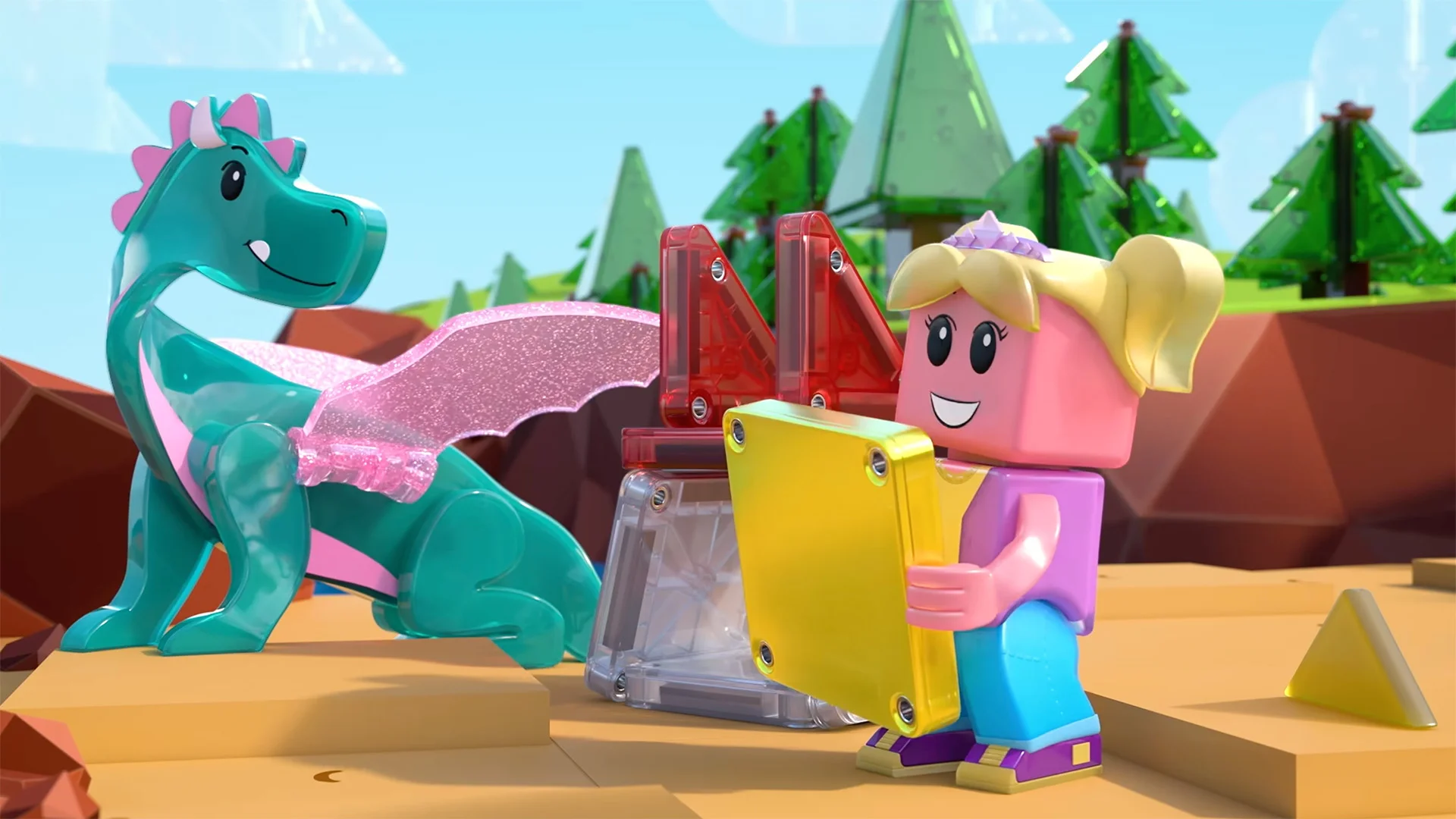
Magna-Tiles, the Chicago-based manufacturer known for its iconic magnetic construction sets, is making a strategic leap into animated content. The company announced plans to launch an original cartoon series, marking a significant departure from its traditional product-only model.
This move signals a broader industry shift where physical toys are no longer standalone items but entry points for multimedia franchises. By creating original characters and narratives, Magna-Tiles aims to deepen emotional connections with its young audience beyond the playroom.
The Logic Behind the Pivot
The core objective is clear: drive sales through increased brand visibility. In a crowded toy market, standing out requires more than just functional design. An animated series provides a consistent narrative hook that keeps children engaged over time, transforming passive buyers into active fans of the brand’s universe.
For founders, this highlights the power of intellectual property (IP) as a growth lever. When a product becomes a character or a story, the lifetime value of the customer increases significantly, opening doors to licensing, merchandise, and sustained demand.
Balancing Screen Time Concerns
Magna-Tiles has built its reputation on promoting screen-free, tactile learning. Critics might question how a cartoon aligns with this ethos. However, the strategy appears designed to complement rather than replace physical play. The show likely serves as inspiration, encouraging viewers to recreate scenes or build structures seen on screen using actual products.
This hybrid approach addresses modern parental concerns about screen time while leveraging digital platforms for discovery. It suggests that digital content can act as a bridge to offline engagement, a crucial balance for family-oriented brands.
Market Implications for Toy Makers
This announcement underscores the importance of omnichannel storytelling in consumer goods. Traditional advertising is becoming less effective compared to immersive brand experiences. Companies that integrate content creation into their core business models are better positioned to capture attention in a fragmented media landscape.
Business leaders should note that expanding into content creation requires new capabilities in storytelling, animation production, and digital distribution. Success depends on maintaining brand authenticity while adapting to the fast-paced demands of digital entertainment.