The Return of Touch Input
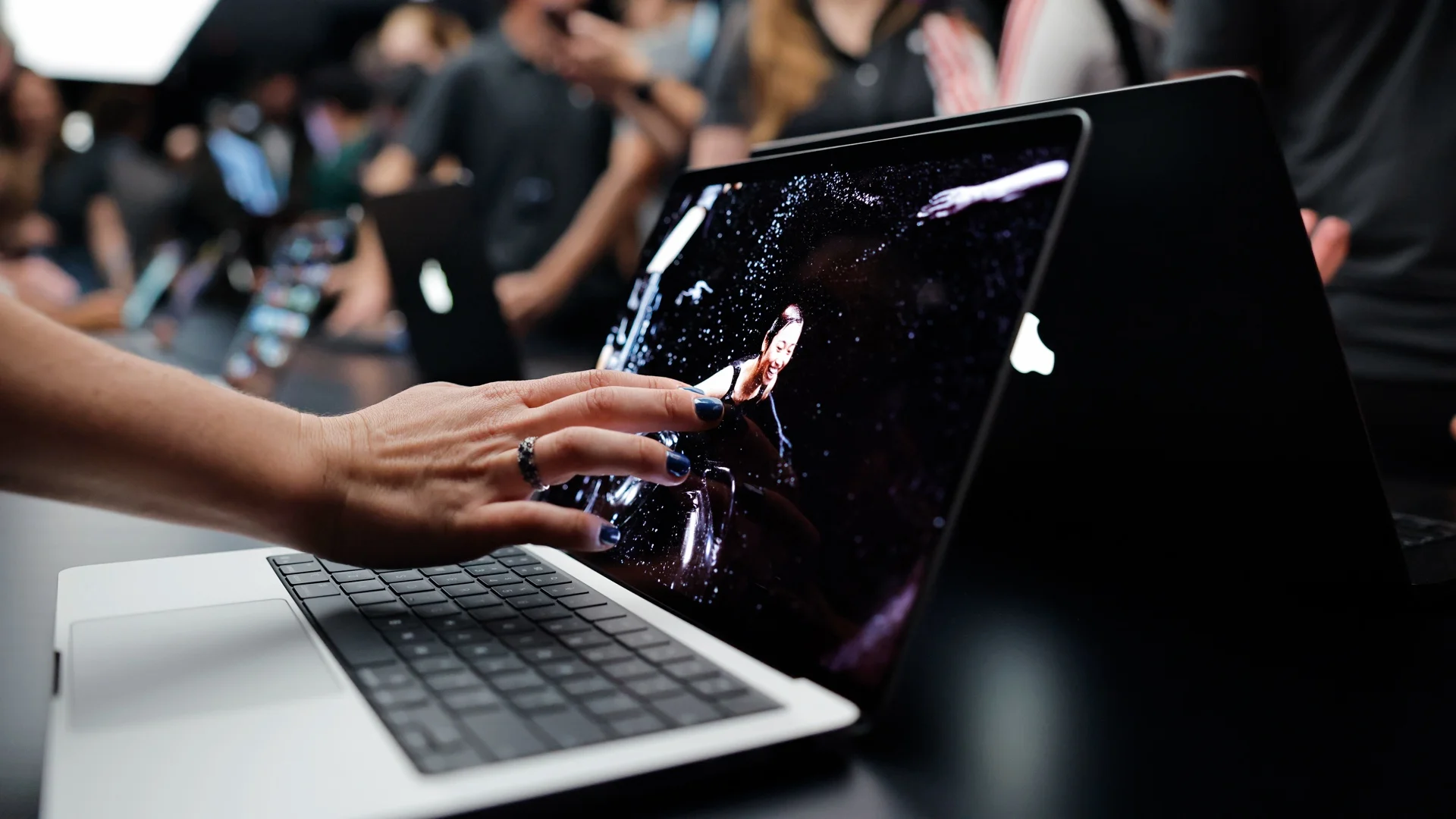
Apple has officially brought the touchscreen back to the MacBook Pro. This isn't just a minor hardware tweak; it represents a fundamental shift in the company's design philosophy. For years, the Mac remained strictly keyboard and trackpad-centric, while the iPad dominated touch interaction. Now, those worlds are merging.
Why It Matters for Founders
For business leaders, this integration signals that the boundary between desktop productivity and mobile flexibility is dissolving. The MacBook Pro is no longer just a tool for deep work; it is becoming a versatile hub for rapid ideation and presentation. This duality allows executives to switch contexts without switching devices.
The User Experience Shift
Early assessments suggest the interface feels native to macOS, yet distinct from iOS. The tactile feedback provides a layer of control that traditional inputs lack. However, adoption will depend on workflow compatibility. Professionals must evaluate whether touch gestures enhance their specific operational needs or introduce friction.
Market Implications
This move pressures competitors to rethink their hybrid device strategies. As Apple pushes the envelope on form factor versatility, other tech giants may accelerate their own convergence efforts. The market is moving toward devices that adapt to the user, not the other way around.