The Experience Gap
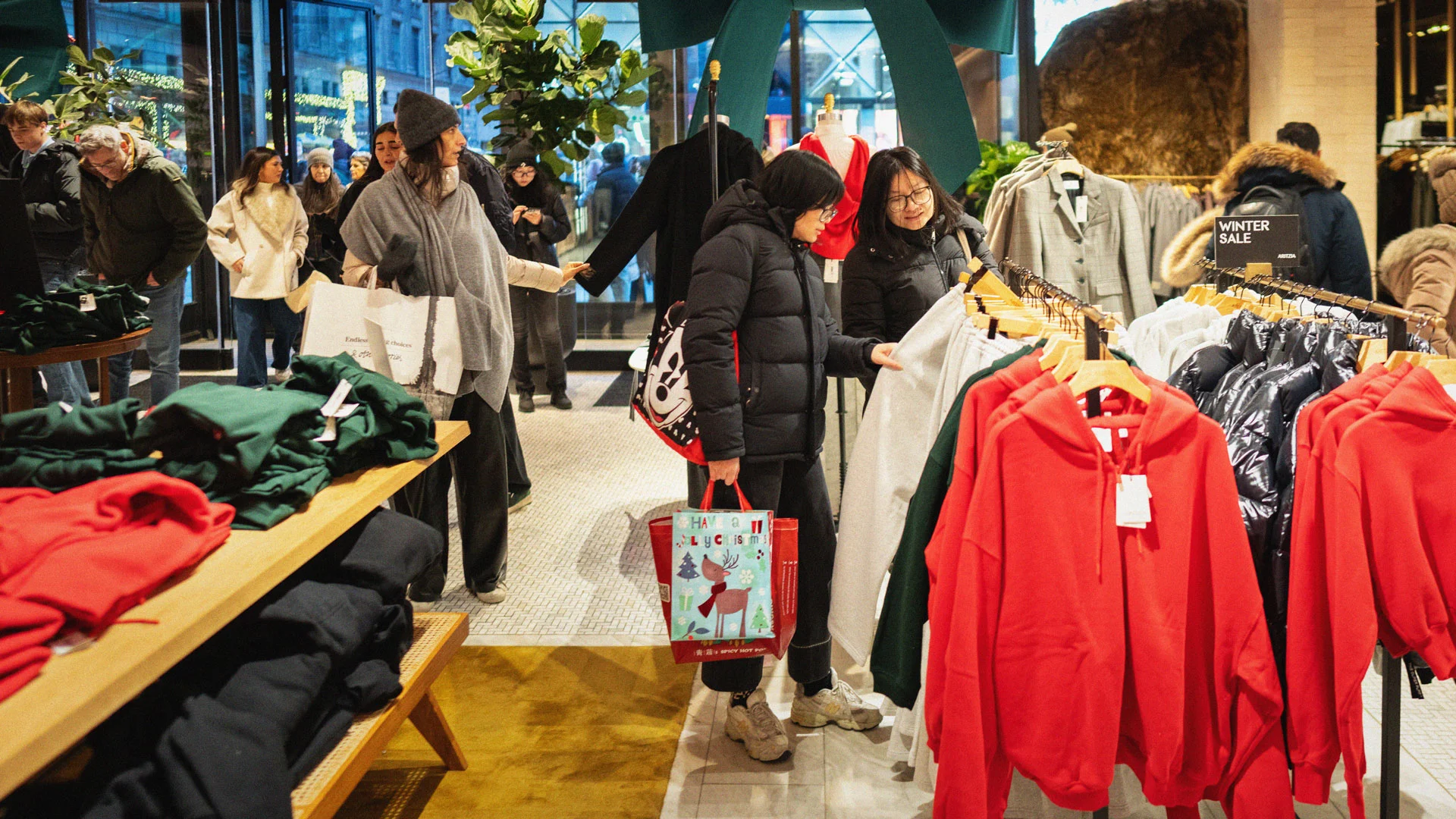
A recent report from Visa highlights a critical disconnect in the current retail landscape. While surveys indicate that more than half of consumers prioritize experiential spending, their actual holiday budgets tell a different story. Shoppers are leaning heavily toward physical goods rather than travel or entertainment.
Why This Matters to Founders
For business leaders, this divergence signals a shift in consumer psychology driven by economic uncertainty. When disposable income is tight, customers often retreat to safer, tangible purchases. Hospitality and experience-based businesses face a steeper climb to capture market share during peak seasons.
Budget Realities Over Aspirations
The data suggests that while people want memorable trips and events, their financial planning remains anchored in traditional retail categories. This trend forces marketers to reevaluate value propositions. Simply advertising 'experiences' may not convert if the price point feels too risky compared to essential goods.
Strategic Implications for Hospitality
Hospitality experts advise companies to adapt by bundling services with tangible perks or offering flexible payment options. By reducing perceived financial risk, businesses can bridge the gap between aspiration and action. Leaders should consider how to make experiential spending feel like a practical investment rather than a luxury expense.