The Split Market Reality
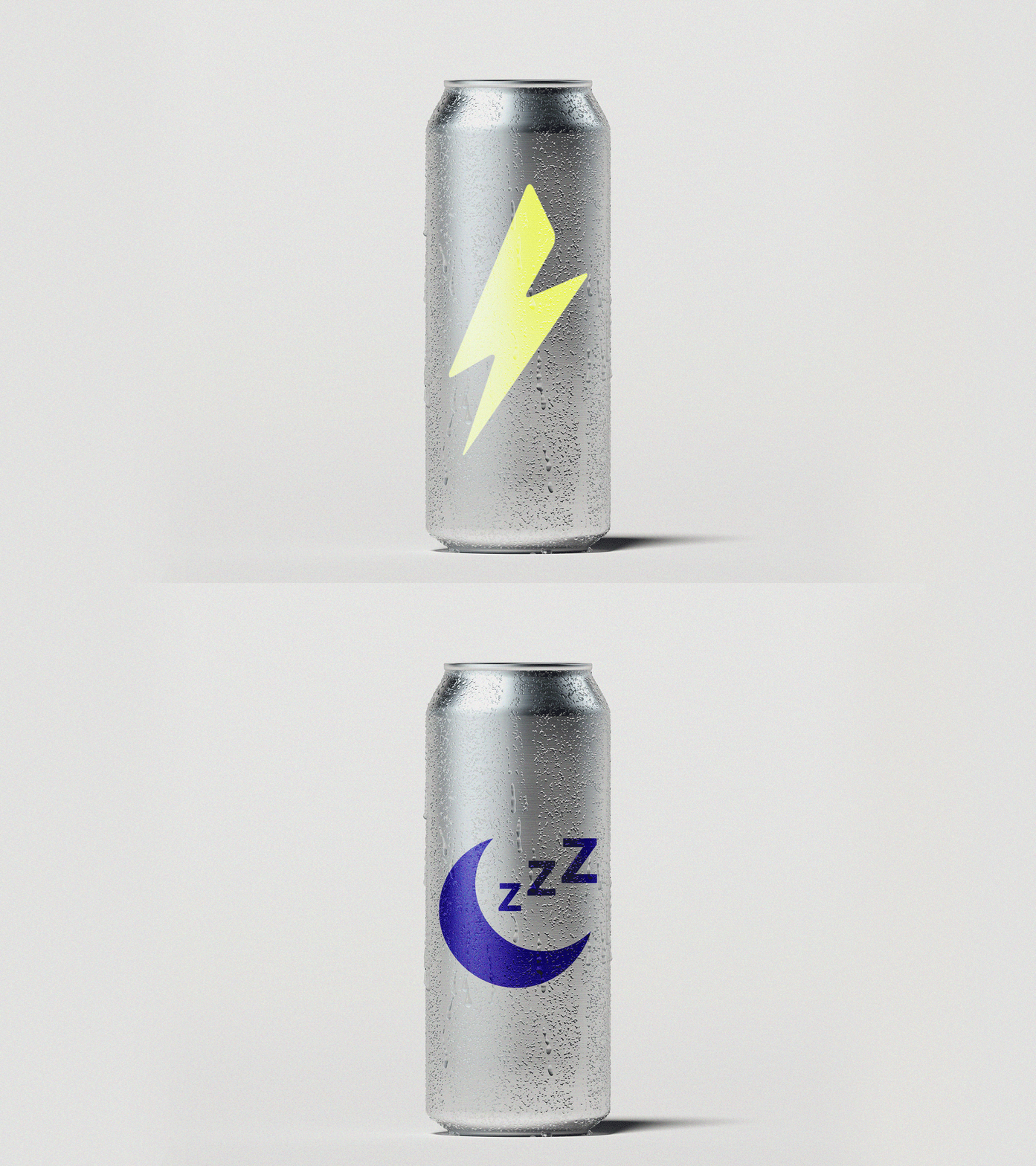
The functional beverage industry is undergoing a radical segmentation. No longer is there a single path to wellness. Brands are now explicitly targeting two opposing consumer needs: uppers for energy and focus, and downers for relaxation and stress relief.
This shift marks the end of the generic 'health boost' era. Companies like those producing 120mg cold-brew tea cans or ashwagandha-infused calm drops are capitalizing on this divide, offering precise solutions for specific moments in the day.
Positioning for Need States
Success in this new landscape depends on positioning products for specific need states. Consumers no longer just want to be healthy; they want to perform better at work or unwind after a stressful day. Retailers are responding by curating aisles that reflect these binary choices.
Founders must recognize that clarity of purpose drives purchase intent. A drink marketed as a morning productivity tool cannot effectively compete with an evening wind-down aid if the branding fails to signal its primary function immediately.
Why This Matters for Leaders
For business leaders, this bifurcation signals a move away from broad wellness claims toward targeted efficacy. The market rewards specificity. If your product tries to do everything, it risks being ignored by consumers seeking a quick fix for a immediate problem.
Strategic alignment between ingredient profile and consumer moment is critical. Ignoring this split means competing in a saturated, undifferentiated space where margins are thin and loyalty is low.
The Role of Ingredients
Ingredients tell the story. Caffeine sources like cold-brew tea cater to the demand for sustained energy without the crash. Adaptogens like ashwagandha address the growing anxiety epidemic among professionals. These ingredients are not just additives; they are the core value proposition.
- Energy: High-caffeine options for peak performance.
- Calm: Adaptogenic blends for mental decompression.
Future Implications
As the market matures, we expect further fragmentation within these two camps. Sub-categories will emerge based on duration of effect, flavor profiles, and additional cognitive benefits. Early movers who nail the initial split will have a significant advantage in capturing shelf space and mind share.