The Limits of Algorithmic Efficiency
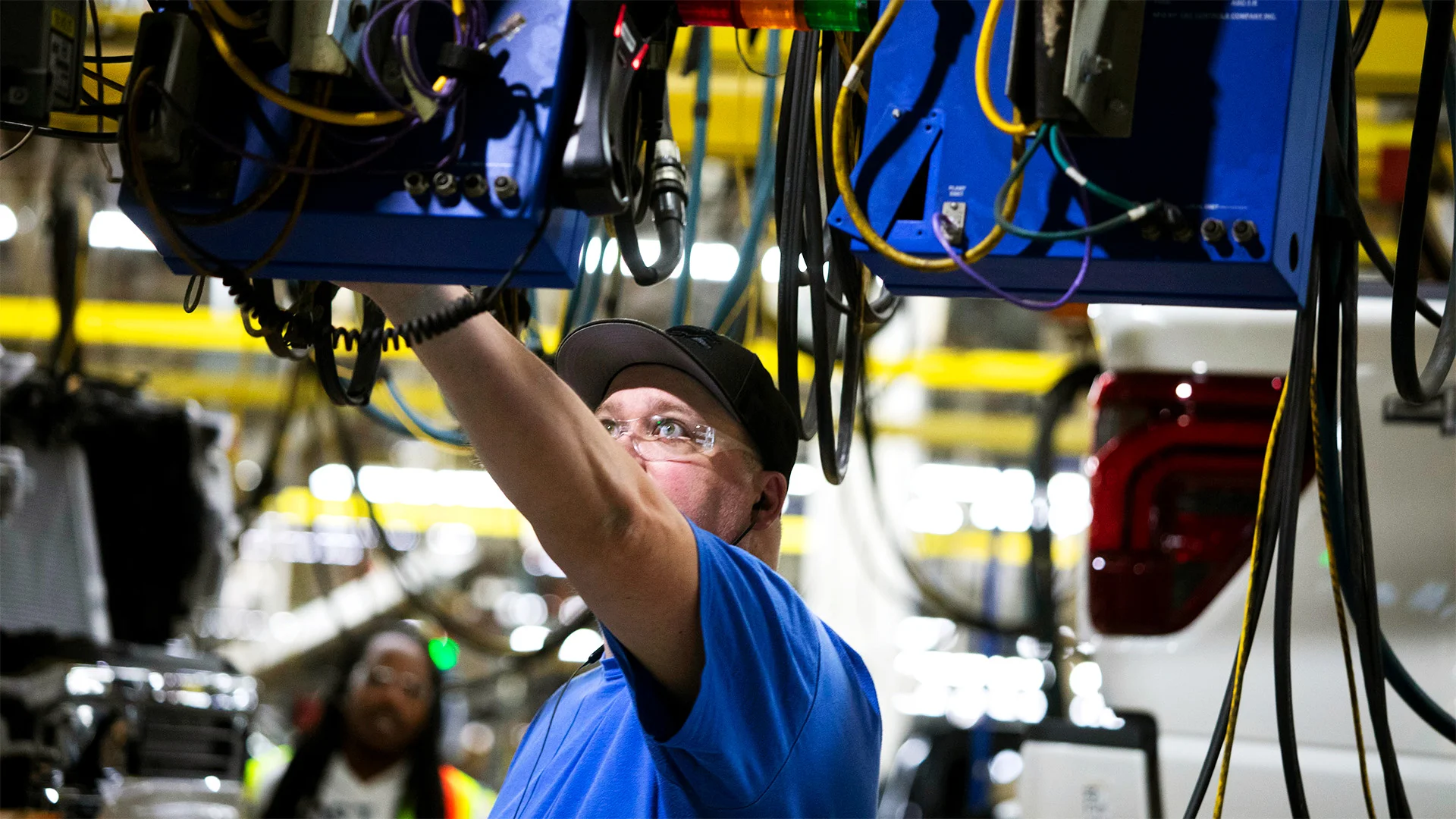
Ford Motor Company recently executed a significant strategic reversal regarding its workforce composition. After heavily investing in artificial intelligence to streamline operations, the automaker announced the hiring of 350 veteran engineers. This move signals a pragmatic recognition that while AI excels at pattern recognition, it lacks the contextual intuition required for complex problem-solving in automotive manufacturing.
Why Experience Trumps Code
Artificial intelligence systems are designed to identify trends and optimize data flows. However, they often miss subtle operational anomalies that only seasoned professionals can detect. The return of these engineers addresses a critical gap: AI can predict failures based on historical data, but human expertise is essential for diagnosing novel issues and implementing nuanced solutions in real-time production environments.
Strategic Implications for Industry Leaders
This decision by Ford serves as a cautionary tale for other tech-driven enterprises. Over-reliance on automation without retaining deep institutional knowledge can lead to fragile systems. Founders and business leaders must balance technological adoption with the preservation of human capital, ensuring that algorithmic efficiency does not come at the cost of operational resilience.
The Hybrid Workforce Model
The optimal approach for modern businesses is not replacement, but augmentation. By integrating veteran engineers with AI tools, companies create a hybrid model where technology handles scale and speed, while experienced staff provide oversight and strategic judgment. This synergy reduces risk and enhances innovation, proving that human insight remains irreplaceable in high-stakes industries.