The AI Accusations Against Dior
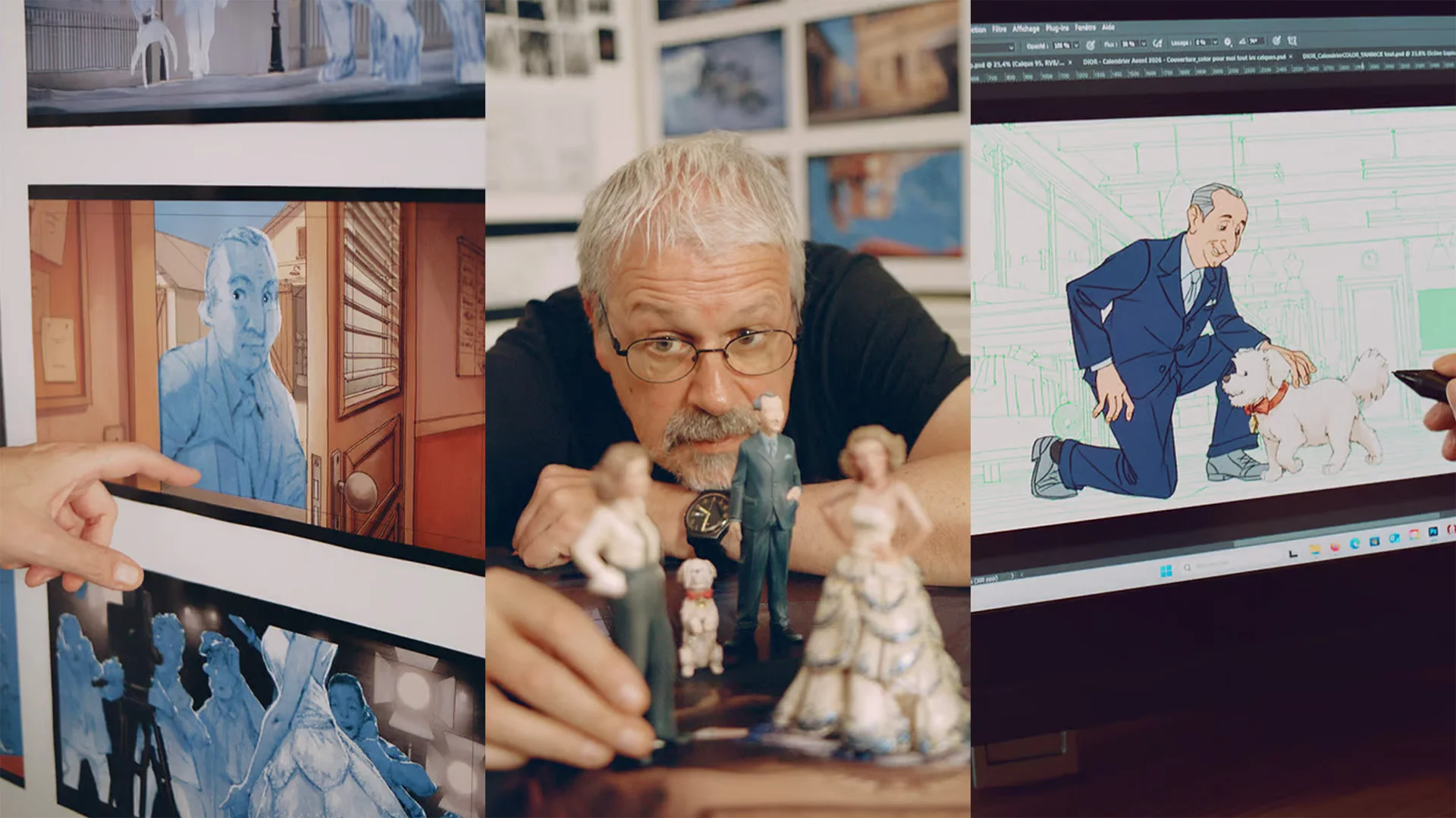
Dior’s latest holiday campaign has ignited a firestorm among digital artists and consumers alike. The brand asserted that the animated short required months of meticulous, hand-drawn labor to achieve its cinematic quality. However, viewers quickly identified visual anomalies consistent with generative AI output, contradicting the studio's narrative.
Key indicators included inconsistent lighting physics, morphing facial features on celebrity participants, and background elements that failed to maintain logical continuity. These artifacts are hallmark signs of current large-scale video generation models, not traditional frame-by-frame animation techniques.
Why Transparency Matters for Luxury Brands
This incident highlights a critical vulnerability for high-end brands relying on heritage narratives. When a company markets AI-generated content as artisanal craftsmanship, it risks alienating audiences who value authenticity. For founders and marketing leaders, the lesson is clear: claims about production methods must withstand technical scrutiny.
- Consumers are increasingly tech-literate regarding AI detection tools.
- Brand trust erodes rapidly when marketing claims clash with observable reality.
- Luxury positioning depends on perceived exclusivity and human skill.
Market Implications for Creative Agencies
The backlash serves as a warning shot for creative agencies and brand managers. As AI tools become cheaper and faster, the temptation to use them for high-profile campaigns grows. However, without clear disclosure, brands face reputational damage that outweighs cost savings. Leaders must establish strict guidelines on labeling synthetic media to protect long-term equity.