The Promise of Fair Pricing
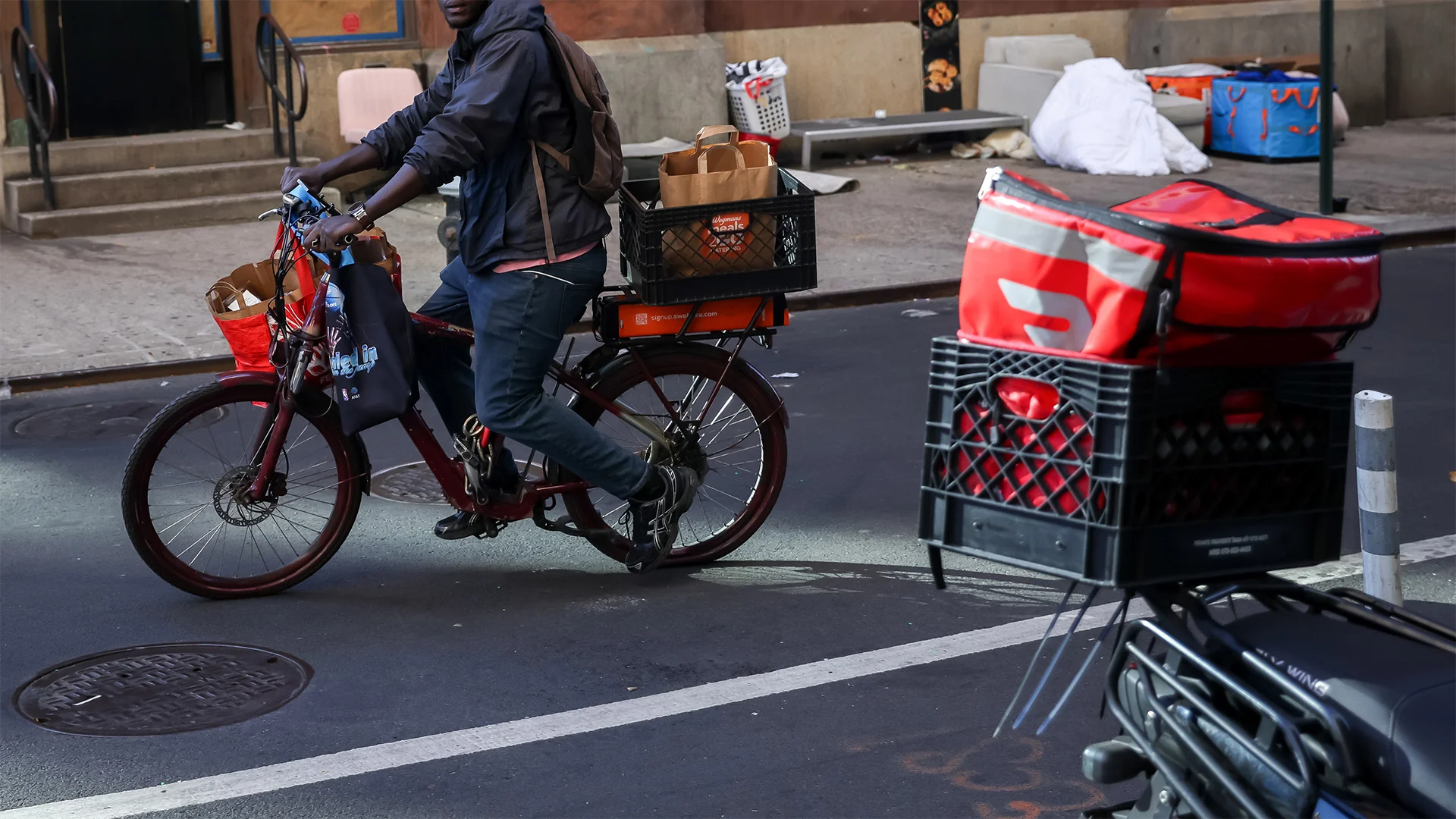
DoorDash has publicly committed to not using customer order history, device type, or personal characteristics to adjust prices. This pledge comes amid increasing Federal Trade Commission scrutiny over personalized pricing strategies. The company aims to reassure users that their data won't be weaponized against them in real-time negotiations.
Regulatory Pressure on Tech Giants
The FTC is actively investigating how large platforms leverage user data for dynamic pricing. DoorDash's statement aligns with broader regulatory concerns about fairness and transparency. However, the nuance lies in what constitutes "personalized" versus standard algorithmic adjustments.
Exceptions That Undermine Trust
Despite the blanket promise, DoorDash retains certain operational variables that can influence final costs. These include surge pricing during high demand and service fees tied to restaurant partnerships. Critics argue these mechanisms effectively achieve similar outcomes to personalized pricing without admitting it.
Implications for Business Leaders
For founders and executives, this highlights the delicate balance between revenue optimization and consumer trust. Transparent pricing models are becoming a competitive advantage. Companies must carefully evaluate whether short-term gains from data monetization outweigh long-term brand erosion.