The Debt Dilemma
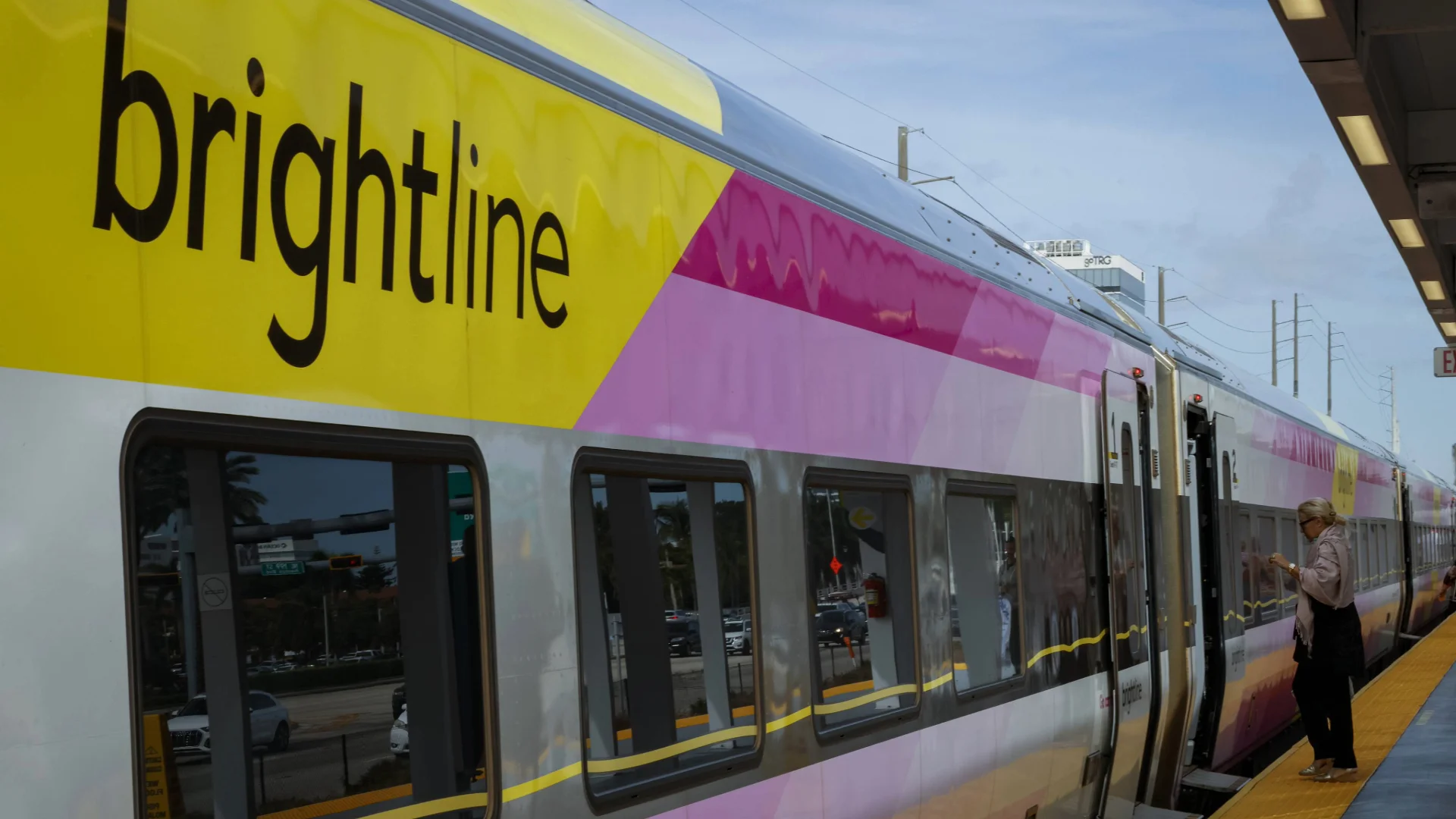
Brightline, the prominent private passenger railroad operating across Florida, is reportedly on the brink of filing for Chapter 11 bankruptcy. The company carries a staggering total debt load of $5.5 billion. This financial pressure has intensified as the business navigates high interest rates and operational scaling challenges.
Why Chapter 11 Matters
A Chapter 11 filing is not an end-of-life event; it is a tool for restructuring. For Brightline, this legal mechanism allows the company to renegotiate debts, shed unsustainable obligations, and continue operating while it stabilizes its balance sheet. It keeps the trains running during the process.
Impact on Stakeholders
- Riders: Service continuity remains the primary concern for daily commuters and tourists relying on the line between Miami, Fort Lauderdale, West Palm Beach, and Orlando.
- Investors: Equity holders face potential dilution or loss, while creditors may see partial recoveries depending on the restructuring plan.
- Employees: Job security becomes uncertain as management evaluates cost-cutting measures necessary for survival.
Market Context for Founders
This situation highlights the risks inherent in capital-intensive infrastructure projects. While public-private partnerships offer growth opportunities, they require robust cash flow management. Founders must recognize that debt levels exceeding asset liquidity can trigger existential threats, even for well-known brands.
What Happens Next?
The upcoming decision will determine whether Brightline emerges as a leaner entity or faces liquidation. Market observers are watching closely to see if new financing can be secured or if existing debt will be converted to equity. The outcome will set a precedent for other private transit ventures.